Shopify's move to partner with larger retail brands, including Banana Republic Home's adoption of Shopify's point-of-sale system, signals something meaningful about where the platform is headed. At Netalico, we've been a Shopify Partner since 2016 and a Shopify Plus Premier Partner for the years since reaching that tier. We've watched the platform grow from a small-merchant product into one that's making a serious play for enterprise retail. Here's what we see happening.
What Is Shopify Doing with Enterprise Retailers?
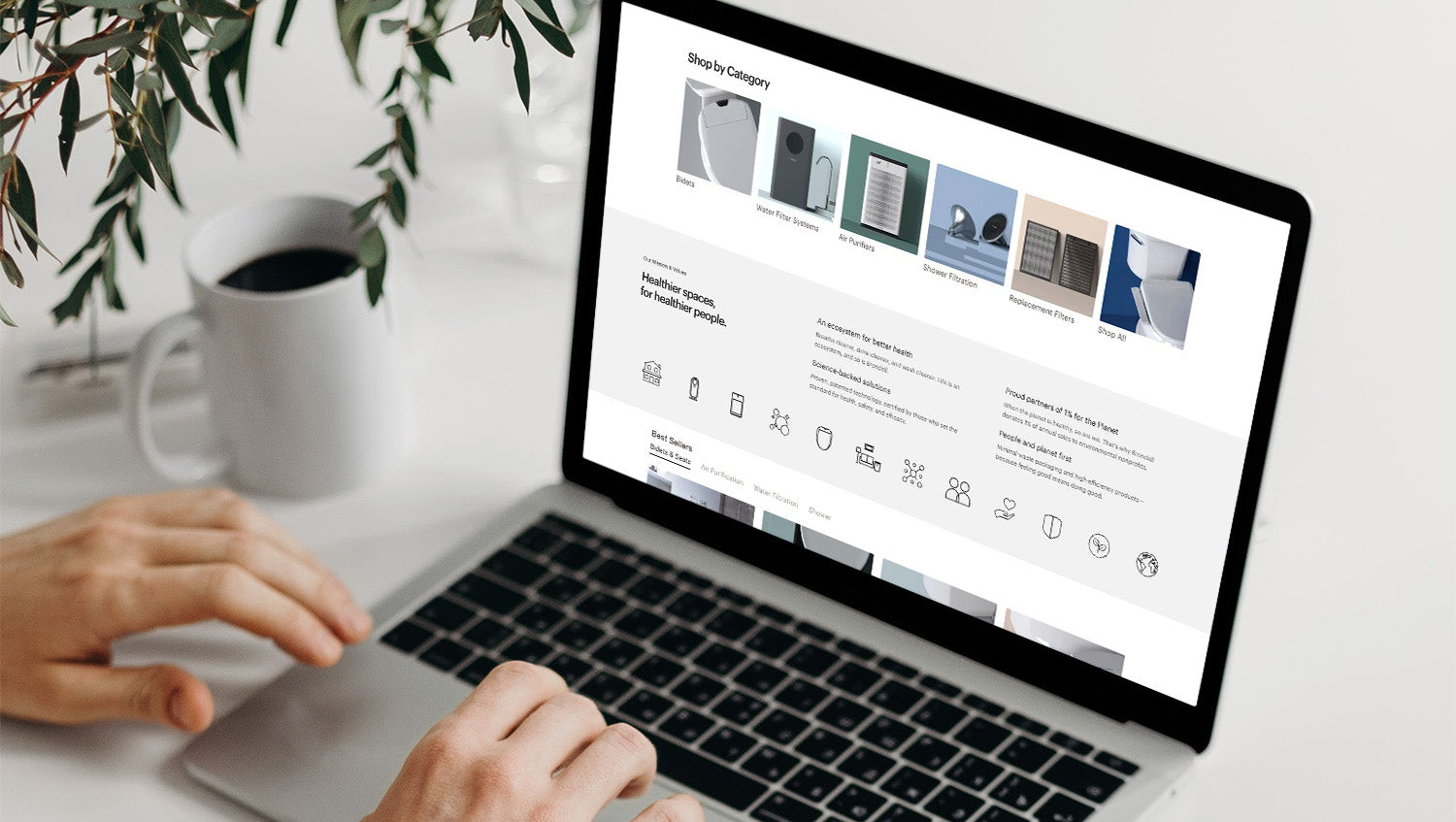
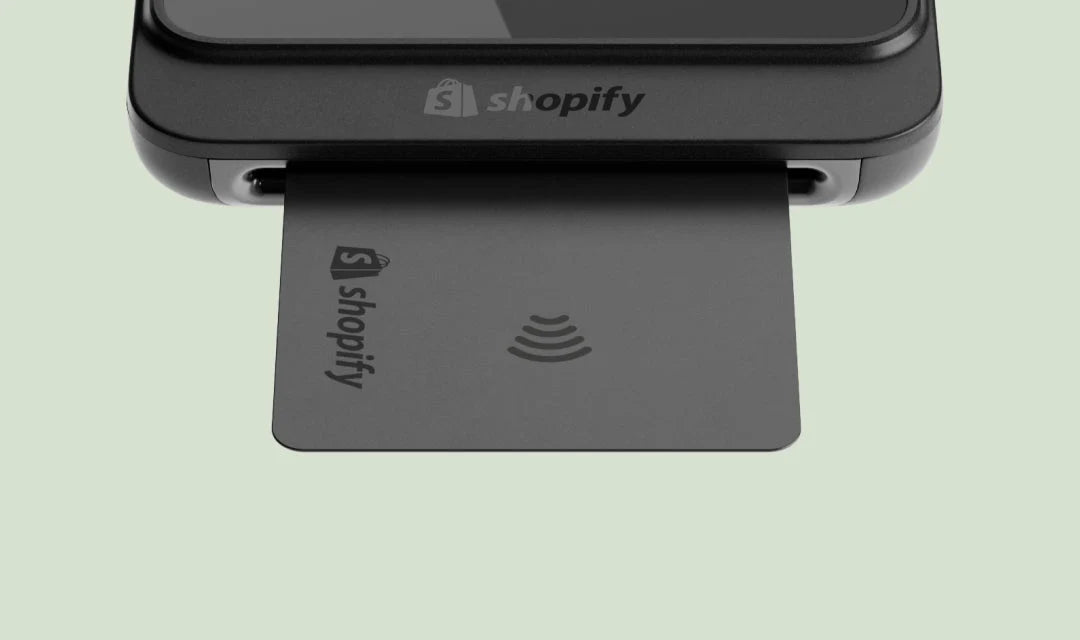
Shopify has been building toward enterprise capability for several years, and the partnerships with brands like Banana Republic Home are one part of that strategy. In this case, Banana Republic Home implemented Shopify's POS system across its retail stores and ecommerce operation, creating a unified commerce experience that connects in-store and online sales.
The partnership achieves two things for Shopify. It demonstrates omnichannel capability at a brand that consumers recognize, which makes the sales conversation with other enterprise prospects more concrete. And it puts Shopify's tools in front of people inside a large retail organization who might eventually influence a broader technology decision at the parent company level.
Is Shopify a Fit for Enterprise POS?
Mark Lewis, Founder and CEO of Netalico, has a nuanced view on this. Historically, Shopify's POS system has performed best for brands with tighter inventory catalogs. The more SKUs, locations, and operational complexity a retailer manages, the more the platform gets tested. What Banana Republic Home represents is a smart entry point: a smaller subsidiary with a manageable catalog size, inside a much larger retail organization.
The strategy is familiar. Large enterprise organizations rarely rip and replace their core systems on short notice. But when a subsidiary or new product line needs a solution fast, Shopify is frequently the right answer because the speed and cost advantages are hard to match. Once a team inside a large organization is running on Shopify and comfortable with it, the argument for expanding its role internally becomes much easier to make.
What Does Shopify's Enterprise Push Mean for Shopify Plus Merchants?
For brands already on Shopify Plus, this is broadly good news. Every dollar Shopify invests in enterprise infrastructure, whether through Commerce Components, improved POS capabilities, or enterprise-grade checkout tools, flows into a platform you're already on. The engineering investment required to make Shopify credible to a Banana Republic is the same investment that improves performance and reliability for a $10M DTC brand on Plus.
Netalico has guided brands through hundreds of Shopify builds since 2013, with over $500M in client transactions running through stores we've built and optimized. What we've seen is that brands who grow on Shopify typically grow on Shopify because the platform grows with them. The enterprise partnerships accelerate that trajectory.
For merchants still weighing platform options, this guide to the best Shopify migration agencies in 2026 gives you a clear picture of how the top agencies approach both the migration and the post-launch work.
Why Does the Holiday Season Matter for Shopify's Enterprise Strategy?
Holiday sales are when ecommerce infrastructure gets tested at its limits. Peak traffic, high transaction volumes, and real consequences for downtime or poor performance make Q4 the hardest environment to operate in. When Shopify can point to successful holiday seasons for enterprise clients like Banana Republic Home, it builds the kind of credibility that's hard to manufacture any other way.
For enterprise brands evaluating their platform stack, a clean holiday performance record from a vendor matters. Shopify's reliability record at scale is one of its strongest arguments in the enterprise conversation, and every successful high-volume season strengthens it.
Frequently Asked Questions
Is Shopify suitable for large enterprise retailers?
It depends on the use case. For brands with manageable inventory catalogs and strong DTC and omnichannel needs, Shopify Plus and the newer Commerce Components offering are genuinely competitive at the enterprise level. For the most complex retail operations with very large SKU counts and deep legacy integrations, the answer is more nuanced, but Shopify's trajectory is clearly toward closing that gap.
What is the difference between Shopify Plus and Commerce Components?
Shopify Plus is the full Shopify platform with enterprise-tier features, support, and pricing. Commerce Components is a newer, modular offering that lets enterprise brands adopt specific elements of Shopify's infrastructure, like checkout or payments, without migrating their entire operation to the Shopify platform. Both sit at the top end of the Shopify product family.
How does working with a Shopify Plus Premier Partner help enterprise brands?
Shopify Plus Premier Partners are vetted by Shopify based on technical capability and client outcome track record. For enterprise implementations, that vetting matters because the technical requirements are more demanding. Netalico has been a Premier Partner with a fully in-house US team in New York, Los Angeles, San Francisco, and Miami, which means enterprise clients aren't dealing with offshore handoffs on complex builds.
Thinking through a Shopify platform decision? Reach out to the Netalico team.